


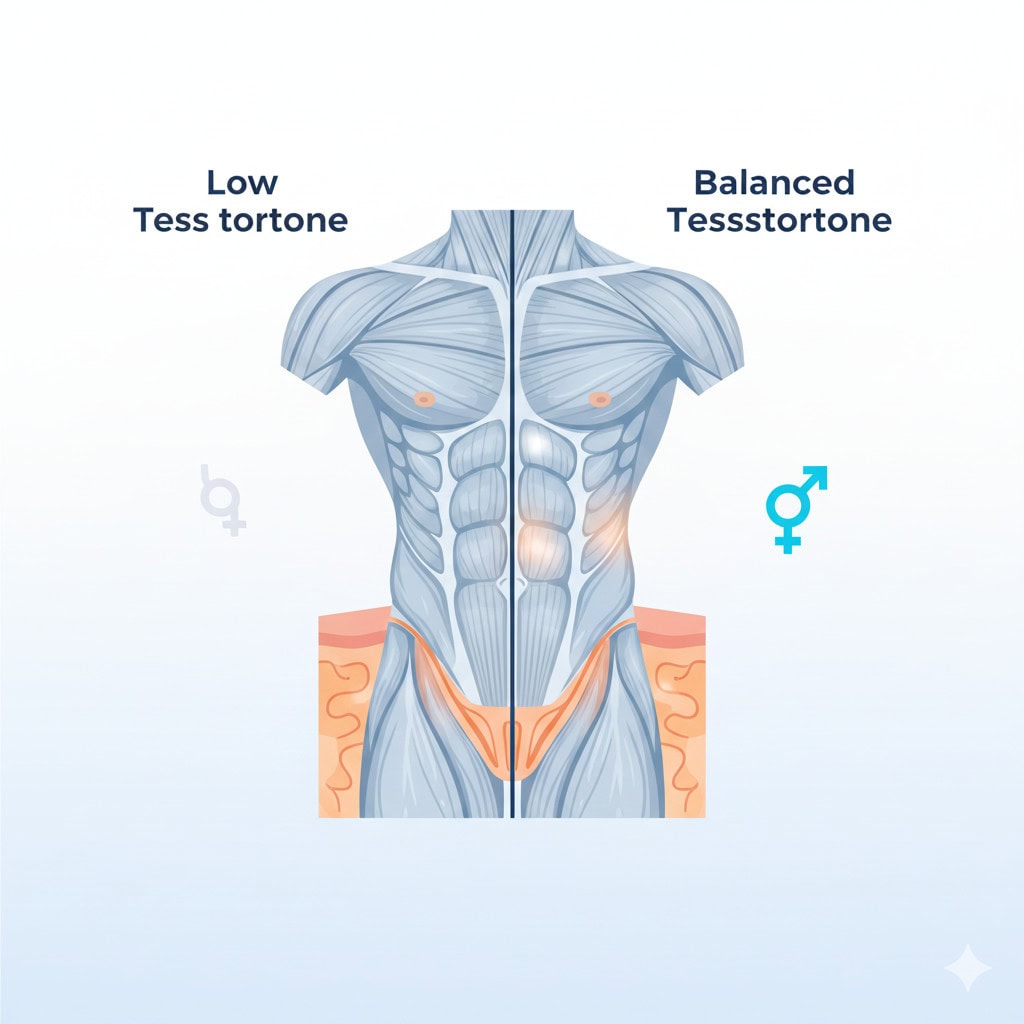



For many individuals undergoing Testosterone Replacement Therapy (TRT), the journey to hormonal balance can be transformative. However, navigating life after discontinuing TRT presents a new set of challenges. Understanding the implications of stopping TRT and the steps to take afterward is crucial for maintaining well-being.
Discontinuing TRT is a significant decision that should be approached with care. The body requires time to readjust and stabilize hormone levels naturally. Many wonder, “How long after stopping testosterone do levels return to normal?” This varies per individual, depending on factors such as the duration of therapy, dosage, and personal health conditions. Generally, it can take several weeks to months for testosterone levels to normalize.
The Biological Process of Hormonal Adjustment
When TRT is discontinued, the body must reestablish its own testosterone production. The pituitary gland and hypothalamus play crucial roles in signaling the testes to produce testosterone. This process takes time as these glands recalibrate. The lack of supplemental testosterone encourages the body to begin its natural production. However, age and overall health can affect how quickly and effectively this happens.
Psychological Impact of Discontinuing TRT
The decision to stop TRT is not only a physical journey but also an emotional one. Many individuals experience anxiety over potential changes in mood and energy levels. Understanding that mood fluctuations are a normal part of the transition can help manage expectations. Emotional support from family, friends, or mental health professionals is crucial during this time. They offer reassurance and guidance as your body adjusts.
Long-Term Health Considerations
Long-term health considerations are paramount when stopping TRT. It’s essential to consider how the body will adapt to the absence of external testosterone. Regular health check-ups can help monitor cardiovascular health, bone density, and other critical factors that testosterone influences. Implementing a proactive health strategy can mitigate potential long-term risks associated with hormonal changes.
Can You Stop Testosterone Cold Turkey?
Abruptly stopping testosterone replacement can lead to withdrawal symptoms, including fatigue, depression, and a resurgence of pre-therapy symptoms. Medical professionals often discourage stopping testosterone cold turkey to minimize these risks. Instead, a gradual reduction in dosage, guided by a healthcare provider, is advisable.
Risks of Abrupt Discontinuation
Stopping TRT abruptly can shock the body’s endocrine system, leading to significant withdrawal symptoms. These symptoms can include severe mood swings, profound fatigue, and a sudden drop in energy levels. Such drastic changes can impact daily functioning and overall quality of life. Understanding these risks emphasizes the importance of a carefully monitored discontinuation plan.
The Importance of a Tailored Tapering Plan
A tailored tapering plan, developed with a healthcare provider, is crucial for a successful transition. This plan should consider the individual’s unique health profile, TRT dosage, and duration of therapy. Gradually lowering the dosage allows the body to adjust slowly. This approach reduces withdrawal symptoms and helps transition back to natural hormone production more smoothly.
Professional Guidance and Support
Professional guidance from healthcare providers specializing in hormone therapy is essential when discontinuing TRT. These experts can provide personalized advice, monitor hormone levels, and adjust the tapering plan as needed. Regular consultations ensure that the transition is progressing safely and effectively, minimizing potential health risks.
Preparing for Life After TRT: Steps to Consider
1. Consult with Your Healthcare Provider
Before making any changes to your TRT regimen, it is imperative to consult with your healthcare provider. They can create a discontinuation plan that fits your health needs. They will track your progress. This will help you learn what to take and what to avoid when discontinuing testosterone replacement therapy. This personalized care is what TRTMD Clinic excels at, ensuring patients in Las Vegas and Maryland receive optimal support.
Importance of a Comprehensive Health Evaluation
A comprehensive health evaluation by your healthcare provider is the first step in preparing for life after TRT. This evaluation must include a detailed review of your medical history. It should also assess your current health status. Additionally, any underlying conditions that could affect the transition need to be considered. Understanding your baseline health is crucial for developing a personalized discontinuation plan that addresses your specific needs.
Developing a Customized Discontinuation Plan
Your healthcare provider will work with you to develop a customized discontinuation plan. This plan will outline the gradual reduction of TRT dosage, monitoring schedules, and lifestyle adjustments. A well-structured plan offers a clear path for safely and effectively transitioning off TRT. This approach helps reduce the risk of negative effects.
Regular Check-Ins and Monitoring
Regular check-ins with your healthcare provider are essential throughout the discontinuation process. These appointments allow for monitoring of hormone levels, assessment of symptoms, and necessary adjustments to the plan. Consistent communication with your provider ensures that any concerns are addressed promptly and that the transition remains on track.
2. Monitor Symptoms and Adjust Lifestyle
As you transition off TRT, closely monitor your symptoms. Maintain a journal to track changes in energy levels, mood, and physical health. Lifestyle adjustments, such as a balanced diet, regular exercise, and stress management techniques, can aid in stabilizing hormone levels.
Keeping a Detailed Symptom Journal
Maintaining a detailed symptom journal can be an invaluable tool during the transition. Record changes in energy, mood, sleep patterns, and physical health daily. This information shows how your body is adjusting. It can help your healthcare provider make informed decisions about any needed changes to your plan.
Importance of Nutrition and Exercise
Nutrition and exercise play pivotal roles in supporting hormonal balance. A diet rich in nutrients is essential for supporting the body’s natural testosterone production. This diet should include lean proteins, healthy fats, and whole grains. These food groups provide the necessary building blocks for optimal hormonal health. Regular exercise, particularly resistance training, can help maintain muscle mass and boost energy levels, contributing to overall well-being.
Stress Management Techniques
Stress management techniques, such as meditation, yoga, and deep-breathing exercises, can be beneficial during the transition. Stress can negatively impact hormone levels, so incorporating relaxation practices into your routine can help maintain balance. Finding activities that promote relaxation and mental clarity can enhance your overall quality of life.
3. Consider Supplementation
In some cases, supplementation may support the body’s natural testosterone production. Supplements such as vitamin D, zinc, and herbal remedies like ashwagandha can be beneficial, but should only be taken after consulting with a healthcare provider.
Evaluating the Need for Supplements
Not everyone discontinuing TRT will require supplements. It’s important to evaluate individual needs and deficiencies through blood tests and consultations with healthcare providers. This evaluation ensures that any supplementation is both necessary and beneficial, supporting the body’s natural hormonal balance.
Choosing the Right Supplements
If supplements are recommended, choosing the right ones is crucial. Vitamin D and zinc are common recommendations due to their roles in testosterone production and overall health. Herbal supplements, such as ashwagandha, can also support hormone balance and reduce stress. Always follow your healthcare provider’s guidance regarding dosage and duration.
Monitoring Supplementation Effects
Once supplementation begins, monitoring its effects is important to ensure it is aiding the transition. Regular follow-ups with your healthcare provider can track changes in symptoms and hormone levels, allowing for any necessary adjustments. This proactive approach ensures that supplementation is effectively supporting your post-TRT journey.
Also read: Before and After TRT: What to Expect
What to Expect: Side Effects of Stopping TRT
The side effects of stopping testosterone therapy can vary, with some individuals experiencing minimal changes and others facing more significant challenges. Common symptoms include:
- Fatigue and decreased energy
- Mood swings and irritability
- Decreased libido
- Muscle mass reduction
Understanding these potential side effects can help you prepare and manage your expectations during the transition.
Understanding Common Withdrawal Symptoms
Withdrawal symptoms can manifest differently in each individual, with varying degrees of severity. Recognizing common symptoms such as fatigue and mood swings helps set realistic expectations. Recognizing that these symptoms are a normal part of the transition can help ease anxiety and provide comfort.
Coping Strategies for Managing Symptoms
Developing coping strategies can help manage withdrawal symptoms effectively. Regular exercise can boost energy levels and improve mood, while a balanced diet can support overall health. Participating in activities that bring joy and relaxation can help reduce mood swings and support a positive outlook.
The Role of Support Networks
A strong support network can be invaluable during the transition off TRT. Family, friends, and support groups can offer emotional support and encouragement. Sharing experiences with others who have undergone similar transitions can provide practical advice and reassurance, enhancing your coping capacity.
Will My Natural Testosterone Come Back After TRT?
A common concern is whether natural testosterone production will resume after stopping TRT. While the body has the capacity to restore its natural hormone production, the process can be slow. The timeline and extent of recovery depend on individual circumstances, including the length of TRT and underlying health conditions.
Factors Affecting Natural Testosterone Recovery
Several factors can influence the recovery of natural testosterone production. Age, overall health, and how long you have been on TRT can all impact how quickly your body returns to natural hormone production. Understanding these factors can help set realistic expectations and guide the transition process.
Monitoring Hormonal Recovery Progress
Regular monitoring of hormone levels is essential to track recovery progress. Blood tests can provide valuable insights into how the body is responding and whether natural testosterone levels are increasing. This information allows healthcare providers to make necessary adjustments to the discontinuation plan, ensuring optimal recovery.
Supporting Natural Hormone Production
Supporting natural hormone production involves a holistic approach, including lifestyle modifications and possibly supplementation. A healthy diet, regular exercise, and stress management can all contribute to enhancing the body’s ability to produce testosterone. Collaborating with your healthcare provider to develop a comprehensive support plan is key to successful recovery.
You may also like: Boosting Energy: Testosterone Benefits for Women
Stopping TRT: A Personalized Approach
1. Gradual Reduction
A gradual reduction in testosterone dosage allows the body to adapt slowly, minimizing withdrawal symptoms. This approach is generally more favorable than stopping TRT cold turkey.
Benefits of a Gradual Tapering Process
Gradual tapering provides several benefits, including reduced withdrawal symptoms and a smoother transition. This method helps the body gradually adjust to lower testosterone levels. It gives the endocrine system time to respond and adapt. A well-paced tapering plan can enhance the overall success of discontinuing TRT.
Implementing a Tapering Schedule
Implementing a tapering schedule involves reducing the TRT dosage incrementally over a period of time. This schedule should be tailored to individual needs and developed in consultation with a healthcare provider. Regular monitoring and adjustments to the schedule ensure that the tapering process is effective and safe.
Adjusting Tapering Based on Individual Response
Individual responses to tapering can vary, necessitating adjustments to the schedule. Regular consultations with healthcare providers allow for these adjustments based on how the body is responding. Flexibility in the tapering plan ensures that it meets the individual’s unique needs and promotes a successful transition.
2. Hormone Monitoring
Regular hormone monitoring is essential to assess how the body is responding and to make necessary adjustments. Your healthcare provider at TRTMD Clinic will ensure that your transition is as smooth as possible, keeping a close eye on your hormone levels.
Frequency and Methods of Hormone Monitoring
Hormone monitoring should be conducted regularly to track progress and make informed decisions. Blood tests are the most common method for assessing testosterone levels, providing accurate and reliable data. The frequency of monitoring should be set by your healthcare provider. This will depend on your individual needs and how your transition progresses.
Interpreting Hormone Levels
Interpreting hormone levels requires expertise and should be done in consultation with healthcare providers. Understanding the levels can provide insight into how the body is adjusting after stopping TRT. This information can help determine the next steps in the transition process. This information is crucial for ensuring that the discontinuation plan remains on track and effective.
Adjustments Based on Monitoring Results
Based on hormone monitoring results, adjustments to the discontinuation plan may be necessary. These adjustments could involve changes in the tapering schedule, lifestyle modifications, or supplementation. Collaborating closely with your healthcare provider ensures that these adjustments are tailored to your needs and promote successful recovery.
3. Emotional and Psychological Support
The psychological impact of hormonal changes can be profound. Seek support from mental health professionals if needed. Engaging in activities that promote mental well-being, such as meditation or yoga, can also be beneficial.
Recognizing the Psychological Challenges
Recognizing the psychological challenges associated with hormonal changes is the first step in addressing them. Hormonal fluctuations can lead to mood swings, anxiety, and depression, affecting overall mental health. Understanding these challenges can encourage individuals to seek support and take proactive steps to maintain mental well-being.
Accessing Mental Health Resources
Accessing mental health resources is crucial for managing the psychological impact of discontinuing TRT. Therapy, counseling, and support groups can provide valuable guidance and support. These resources offer a safe space to discuss feelings, learn coping strategies, and receive encouragement from professionals and peers.
Incorporating Mindfulness Practices
Incorporating mindfulness practices into daily life can enhance mental well-being during the transition. Practices such as meditation, yoga, and deep-breathing exercises promote relaxation and stress reduction. Engaging in these activities can help individuals achieve a balanced state of mind. This supports overall health and improves quality of life.
Real-Life Scenarios: Coming Off TRT
Case Study: Corporate Executive
A corporate executive experienced chronic fatigue and stress due to hormonal imbalance. Upon discontinuing TRT, they worked closely with TRTMD Clinic to gradually reduce their dosage. Through lifestyle modifications and regular monitoring, they successfully restored their energy levels and improved work performance.
Strategy for Managing Workplace Stress
Managing workplace stress was a key focus for the corporate executive during the transition off TRT. Implementing stress management techniques, such as time management and relaxation exercises, helped reduce stress levels. These strategies contributed to improved focus and productivity, enhancing their overall work performance.
Balancing Professional and Personal Life
Balancing professional and personal life was essential for maintaining well-being during the transition. The executive prioritized setting boundaries and incorporating self-care practices into their routine. This balance ensured that they could manage both work responsibilities and personal health effectively, leading to a successful transition.
Long-Term Health Goals
The corporate executive set long-term health goals to sustain the benefits achieved during the transition. These goals included maintaining a healthy lifestyle, regular exercise, and ongoing health monitoring. Commitment to these goals ensured that the positive changes in energy levels and work performance were maintained over time.
Case Study: Fitness Instructor
A fitness instructor faced fluctuating energy levels and unexplained weight changes. By following a personalized TRT discontinuation plan, they stabilized their energy and improved body composition. This change allowed them to inspire their clients with a consistent, healthy lifestyle.
Tailored Fitness and Nutrition Plan
Developing a tailored fitness and nutrition plan was crucial for the fitness instructor’s successful transition. This plan focused on maintaining energy levels and optimizing body composition through balanced nutrition and targeted exercise. These strategies supported their professional role as a fitness instructor and enhanced their personal well-being.
Overcoming Weight Management Challenges
Overcoming weight management challenges required a comprehensive approach, including dietary adjustments and strength training. The fitness instructor worked with nutritionists and trainers to develop a plan that addressed their specific needs. This approach helped stabilize their weight and improve overall health, enabling them to inspire their clients effectively.
Sustaining Motivation and Enthusiasm
Sustaining motivation and enthusiasm was vital for the fitness instructor’s success in their profession and personal health journey. Setting achievable goals and celebrating small victories helped maintain motivation. This positive mindset ensured that they could continue to inspire their clients while achieving their own health goals.
Case Study: Stay-at-Home Parent
A stay-at-home parent struggled with mood swings and low energy. With help from TRTMD Clinic, they made dietary changes and used stress management techniques. This led to better hormonal balance and more energy in family life.
Creating a Supportive Home Environment
Creating a supportive home environment was essential for the stay-at-home parent’s successful transition. Involving family members in the process and communicating openly about challenges fostered understanding and support. This supportive atmosphere contributed to improved mood and energy levels, enhancing family life.
Implementing Family-Friendly Health Practices
Implementing family-friendly health practices helped the stay-at-home parent achieve better hormonal balance. These practices included healthy meal planning, family exercise activities, and shared relaxation techniques. Engaging the whole family in health-focused activities promoted a sense of unity and well-being.
Prioritizing Self-Care and Personal Time
Prioritizing self-care and personal time was crucial for maintaining well-being during the transition. The stay-at-home parent made time for activities that brought personal fulfillment and relaxation. This commitment to self-care ensured that they could manage family responsibilities while maintaining their own health and vitality.
Conclusion: Empowering Your Post-TRT Journey
Navigating life post-testosterone replacement therapy requires careful planning and support. By understanding the process, consulting healthcare professionals, and making informed lifestyle choices, individuals can transition off TRT successfully. This approach helps maintain their health and well-being.
At TRTMD Clinic in Las Vegas and Maryland, we focus on providing personalized care. Our goal is to support you throughout your post-TRT journey. If you are considering stopping TRT, whether after a few months or several years, our team is here to support you. We are committed to helping you achieve your health goals at every step.
For more information on how TRTMD Clinic can assist with your hormonal therapy needs, contact us today. Together, we can navigate your path to optimal health and vitality.
Embracing the Journey with Confidence
Embracing the post-TRT journey with confidence involves understanding and accepting the challenges and changes that may arise. With the right support and resources, individuals can approach this transition with positivity and resilience. Confidence in the process can enhance the overall experience and lead to successful outcomes.
Building a Long-Term Health Strategy
Building a long-term health strategy is essential for sustaining the benefits achieved post-TRT. This strategy should include regular health monitoring, lifestyle modifications, and ongoing support from healthcare providers. A comprehensive plan ensures continued health and well-being, promoting a fulfilling life beyond TRT.
Commitment to Health and Well-Being
Commitment to health and well-being is the foundation of a successful post-TRT journey. By prioritizing personal health goals and seeking support when needed, individuals can maintain hormonal balance and overall vitality. This commitment leads to a healthier, more fulfilling life, empowering individuals to thrive in all aspects of life.
Also read: Testosterone Levels by Age and Impact of Testosterone Replacement Therapy
References
1. HPTA Recovery and Tapering (Biological Process & Tailored Tapering Plan)
Rhoden, E. L., & Morgentaler, A. (2017). Risks of testosterone replacement therapy and recommendations for monitoring. Asian Journal of Andrology, 19(3), 291–296.
2. Post-TRT Recovery Agents (Consider Supplementation & Will My Natural T Come Back?)
Krzastek, S. C., Farooq, A., Li, W. J., Travison, T. G., & Miner, M. M. (2020). Successful gonadotropin-based management for recovery of spermatogenesis after testosterone therapy. Fertility and Sterility, 114(4), 738–745.
3. Psychological and Physical Withdrawal (Psychological Impact & Side Effects of Stopping TRT)
Grech, A., Hehn, R., & Perera, M. A. (2014). A critical review of testosterone replacement therapy. Clinical Therapeutics, 36(7), 1133–1145.
4. Long-Term Health and Monitoring (Long-Term Health Considerations)
Wang, C., Nieschlag, E., Swerdloff, R. S., Traish, A. M., Zitzmann, M., & Nieschlag, S. (2018). Investigation, treatment and monitoring of late-onset hypogonadism in men: An update of the Andropause consensus recommendations. Clinical Endocrinology, 89(5), 653–663.
