


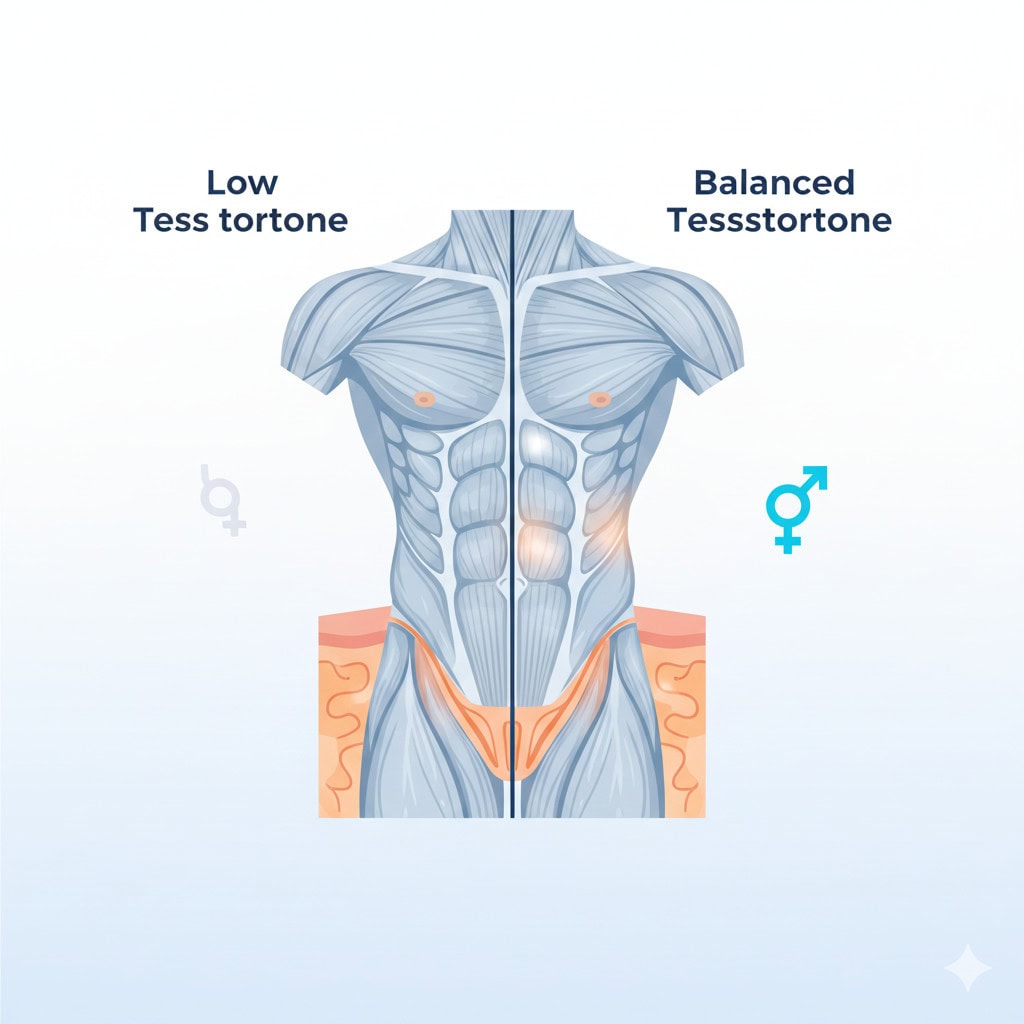


Testosterone is a vital hormone that plays a crucial role in health and well-being. It influences everything from energy levels to mood and physical performance. Understanding how testosterone levels change with age is essential for maintaining optimal health.
As we age, testosterone levels naturally fluctuate, impacting various aspects of life. For many, these changes can lead to noticeable symptoms. Fatigue, mood swings, and decreased libido are common signs of low testosterone. Conversely, high testosterone can cause aggression and other issues.
Testosterone Replacement Therapy (TRT) offers a solution for those experiencing hormonal imbalances. It can restore balance and improve quality of life. TRT is particularly beneficial for individuals with significant symptoms of low testosterone.
At TRTMD Clinic, we provide personalized care to address these concerns. Our expert team is dedicated to helping you achieve your health goals. Understanding your testosterone levels is the first step towards effective management. Let us guide you on this journey to better health.
What Is Testosterone and Why Does It Matter?
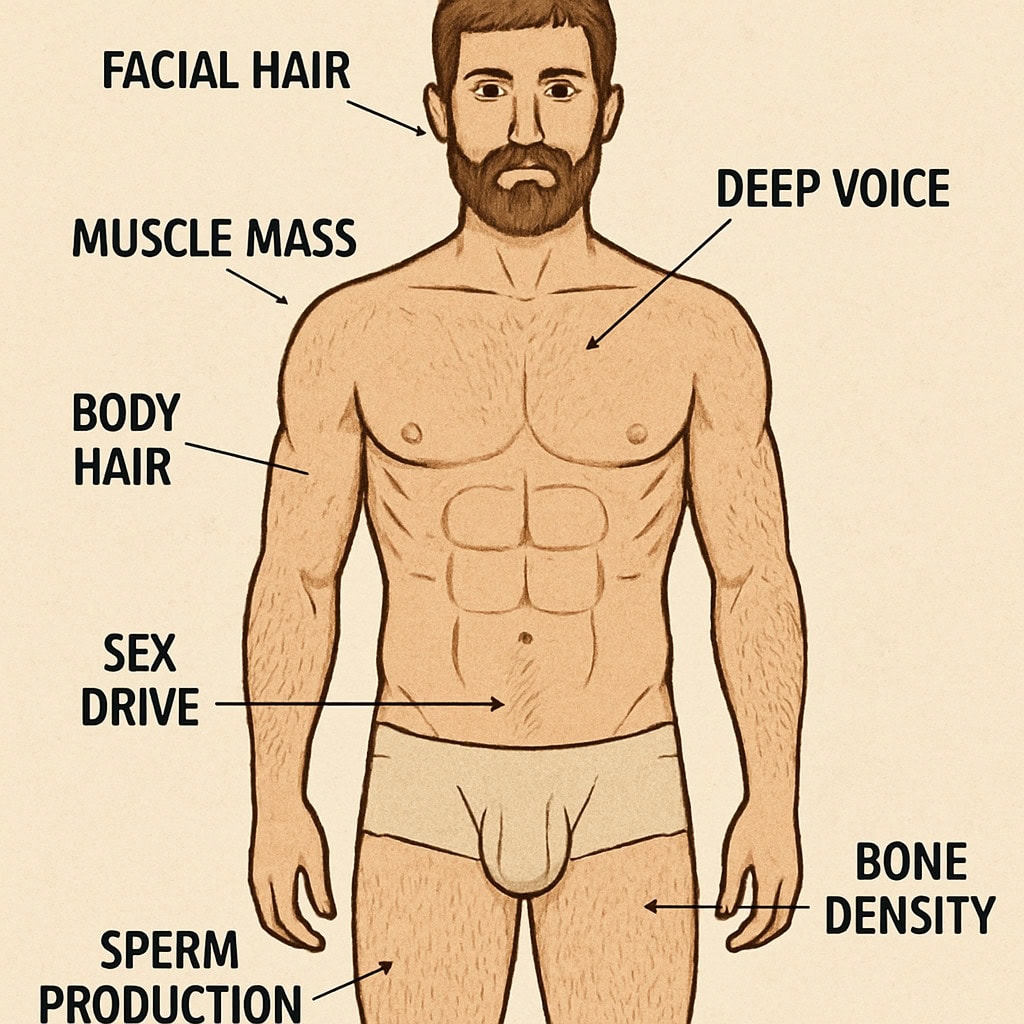
Testosterone is a hormone mainly produced in the testicles and, in smaller amounts, the ovaries and adrenal glands. It is crucial for developing male reproductive tissues. However, its role extends far beyond that.
In both men and women, testosterone supports muscle mass, bone density, and fat distribution. It also influences mood and energy levels. It plays a role in regulating libido and mental acuity as well.
Low levels of testosterone can lead to various health issues. These can include reduced muscle mass, increased body fat, and weakened bones. Hence, maintaining balanced testosterone is vital for overall well-being.
Here’s why testosterone matters:
- Influences physical strength and endurance
- Impacts mood and cognitive functions
- Regulates important metabolic processes
Understanding testosterone’s role can guide proactive health decisions. By recognizing its importance, individuals can take steps to maintain or restore healthy levels.
How Testosterone Levels Change Across the Lifespan
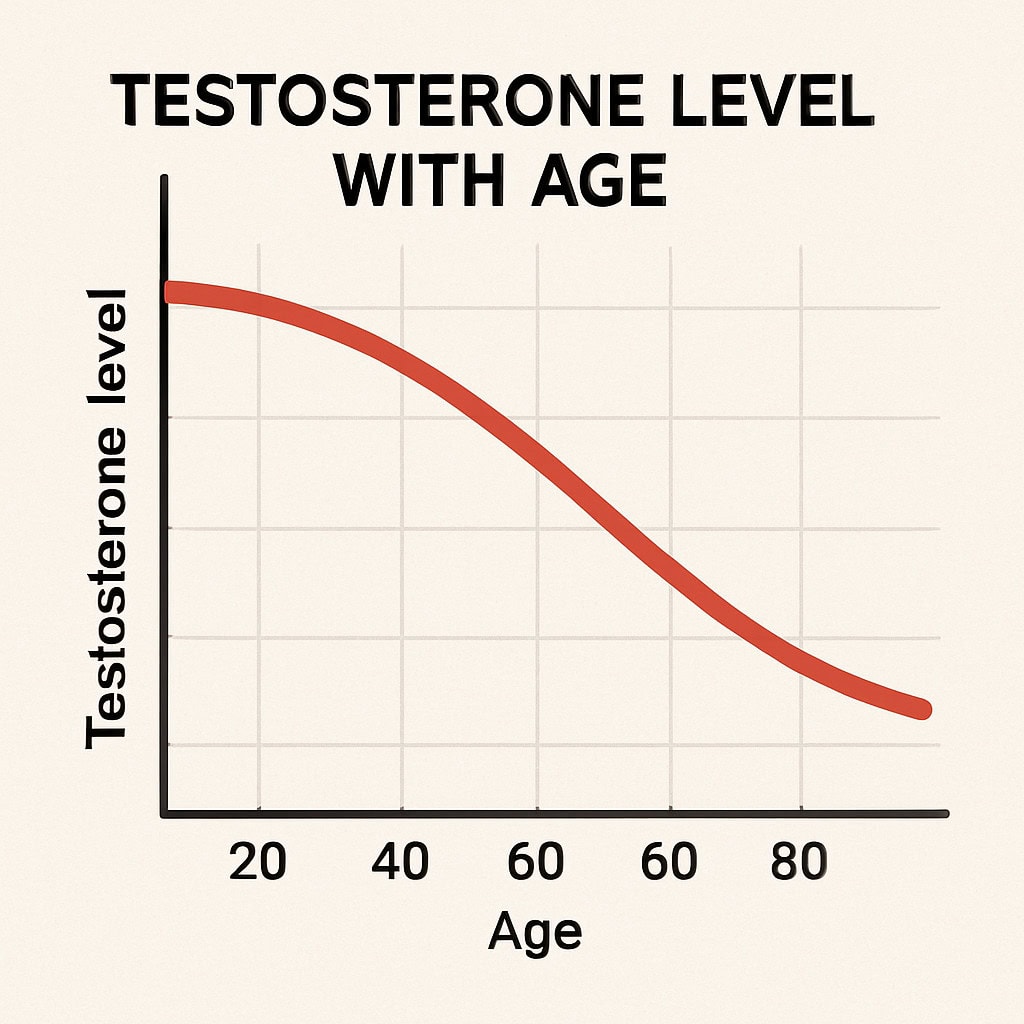
Testosterone levels are dynamic throughout life, peaking and waning with age. During adolescence, testosterone surges, marking the onset of puberty. This phase is characterized by rapid physical changes and development.
In young adulthood, testosterone reaches its peak. This period often coincides with maximum physical capacity and vitality. It’s a time when energy, muscle strength, and libido are at their highest.
As men enter their thirties, testosterone levels begin a gradual decline. This decline is part of the natural aging process, leading to changes in body composition and energy levels.
By middle age, some individuals may notice more pronounced symptoms. These can include reduced sexual drive, fatigue, and mood fluctuations. However, the decline in testosterone is unique to each person.
Key changes in testosterone levels include:
- Adolescence: Rapid increase
- Young adulthood: Peak levels
- Mid-30s onward: Gradual decline
Understanding these changes helps in recognizing the impact on health. Awareness can lead to timely interventions, such as lifestyle modifications or medical treatments.
Testosterone Levels by Age Chart: Males and Females
A testosterone levels chart can provide clear benchmarks. It helps to assess hormonal health across different life stages. For males, levels typically peak during late teens to early 20s.
In females, testosterone levels are lower. Yet, they also play an essential role in health and wellness. Over time, women’s levels follow a similar decline pattern as men.
Average testosterone levels:
- Male teens (10-17 years): 300-1,200 ng/dL
- Adult males (18-39 years): 300-1,000 ng/dL
- Female teens and adults: 15-70 ng/dL
For both genders, understanding deviations from these averages can signify health issues. It’s crucial for both men and women to monitor these levels to maintain optimal health.
The testosterone levels by age chart is a tool for health tracking. It can help identify when intervention may be necessary. Personalized care can then be tailored to address specific needs.
Also read: Boosting Energy: Testosterone Benefits for Women
What Is Considered Normal, Low, or High Testosterone?
Understanding testosterone levels is key to managing health. Normal testosterone levels can vary widely among individuals. However, an average adult male typically has a level between 300 and 1,000 ng/dL.
Low testosterone, often called “low T,” can lead to various symptoms. These may include reduced energy, mood changes, and decreased libido. Identifying low levels early on is essential for effective treatment.
High testosterone levels, although less common, can also pose challenges. They may result in aggressive behavior, acne, or increased muscle mass. It’s crucial to recognize when testosterone levels are excessively high.
To clarify, here’s a simple breakdown:
- Normal: 300-1,000 ng/dL
- Low: Below 300 ng/dL
- High: Above 1,000 ng/dL
Monitoring levels can help avert health issues. Proper testing provides the data needed for accurate diagnosis and intervention.
Is 400 Testosterone Low? Is 600 Testosterone Good?
The context of testosterone levels matters. A level of 400 ng/dL might be low for a younger man. Yet, for an older adult, it could be normal.
A level of 600 ng/dL is generally considered healthy. It falls well within the normal range for adult males.
Understanding these nuances aids in personalizing treatment. It ensures interventions align with individual health needs and life stages.
Causes and Signs of High Testosterone in Men
High testosterone in men is less common but significant. It may manifest through various physical and behavioral changes. Understanding these signs is crucial for early intervention.
Elevated levels can result in several symptoms. These often include increased aggression, oily skin, and significant acne. Noticing these changes is the first step to addressing hormone imbalances.
Monitoring testosterone is essential to identify any elevation. It allows for the implementation of necessary health measures. Proper management can prevent potential health risks associated with high testosterone.
Common signs of high testosterone include:
- Unusual irritability
- Excessive body hair
- Sudden increase in muscle mass
Addressing the causes of high testosterone is crucial for long-term health. This proactive approach aids in maintaining hormonal equilibrium.
What Causes High Testosterone in Males?
Various factors can lead to high testosterone levels in males. Understanding these causes can guide effective management.
Some common causes include:
- Genetic predispositions
- Use of anabolic steroids
- Certain medical conditions
Men with high testosterone may experience rapid muscle growth. This change might seem beneficial but can have adverse effects. Recognizing the underlying cause is essential for treatment.
Ongoing hormonal assessments help pinpoint exact causes. This diagnostic tool is vital for developing tailored health strategies.
How to Know if You Have High Testosterone
Identifying high testosterone involves recognizing several symptoms. Physical changes often signal elevated levels.
Consider these symptoms:
- Severe acne or oily skin
- Aggressive behavior
- Unusual hair growth
Physicians can confirm high testosterone through blood tests. This testing provides a clearer picture of hormone levels.
Timely identification allows for proactive management. It paves the way for precise interventions, promoting better overall health.

Symptoms and Risks of Low Testosterone
Low testosterone can profoundly affect men’s health and well-being. Recognizing symptoms early can lead to effective treatment. These symptoms often impact both physical and emotional states.
Men with low testosterone may experience persistent fatigue. This fatigue often affects their daily productivity and energy levels. Additionally, mood changes, such as depression, may occur.
Low testosterone also contributes to diminished libido. This can strain personal relationships and affect confidence. Furthermore, it may lead to muscle weakness and increased body fat.
Potential risks associated with low testosterone include:
- Osteoporosis
- Cardiovascular issues
- Metabolic disorders
Addressing low testosterone through proper diagnosis is vital. Understanding the risks can help in making informed health decisions.
When Does Testosterone Peak and Decline?
Testosterone levels typically peak during adolescence. This peak often continues into early adulthood, fueling growth and development. However, a gradual decline begins as men age.
This decline usually starts in their thirties. Awareness of these changes is essential for maintaining health. Being informed enables proactive management of hormonal balance.
How Testosterone Levels Affect Health, Mood, and Performance
Testosterone levels play a significant role in various aspects of health. They influence physical strength and body composition. Imbalances can lead to noticeable changes in daily life.
Mood and mental clarity are also linked to testosterone. Adequate levels contribute to emotional stability. In contrast, imbalance may lead to irritability or depression.
Performance, particularly in athletics, is affected by testosterone. Optimal levels support muscle growth and endurance. This is crucial for athletes and fitness enthusiasts.
Key effects of testosterone include:
- Enhanced physical performance
- Improved mood regulation
- Maintained bone density
Understanding these effects can guide health choices. By maintaining balance, individuals can improve their quality of life. Addressing imbalances early prevents potential complications.

The Role of Testosterone Replacement Therapy (TRT)
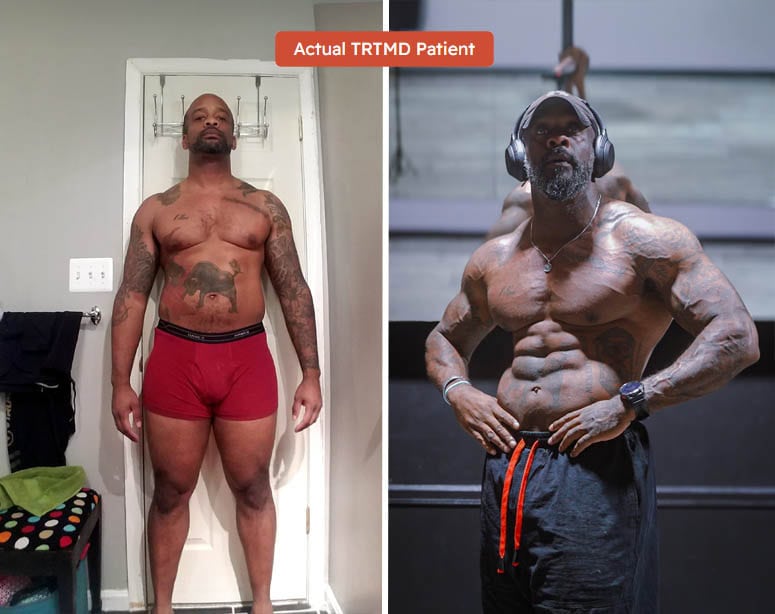
Testosterone Replacement Therapy (TRT) offers a solution for those with low testosterone levels. It helps in restoring hormonal balance. This can lead to a noticeable improvement in well-being.
TRT is designed to address both physical and emotional symptoms. It can alleviate fatigue, boost libido, and improve concentration. Many find it transformative.
Personalization is key in TRT. Therapy should fit individual health needs. This ensures optimal results and minimizes risks.
Key considerations when opting for TRT include:
- Thorough health evaluation
- Personalized treatment plans
- Continuous monitoring and adjustments
TRT is more than a simple prescription. It’s a commitment to improved quality of life. With expert guidance, many experience significant benefits.
Who Should Consider TRT?
Not everyone needs TRT. It’s essential for those with symptomatic low testosterone. Symptoms like fatigue or reduced libido are key indicators.
People of different ages may benefit. Older individuals often see improvements in energy and vitality. Younger individuals focus on mood and performance.
Common candidates for TRT include:
- Men over 40 experiencing low testosterone symptoms
- Individuals with medical conditions affecting testosterone
- Those seeking solutions for hormonal imbalances
Discussing options with a healthcare provider is vital. Personalized advice ensures the best outcomes.

Benefits and Side Effects of TRT
TRT presents various benefits, from physical to emotional enhancements. Restored vitality and improved mood are significant advantages. Many find new strength and energy in their daily lives.
Greater muscle mass and bone density are physical benefits. These improvements are crucial for active lifestyles. Emotional health, such as reduced anxiety, often follows.
However, TRT isn’t without potential side effects. Some might experience skin issues or mood swings. It’s essential to recognize and manage these early.
List of common benefits and side effects:
- Benefits
- Increased energy
- Enhanced mood
- Improved physical performance
- Side Effects
- Skin irritations
- Mood fluctuations
- Sleep disturbances
Understanding the balance between benefits and risks is key. This ensures a positive experience with TRT.
Also read: Before and After TRT: What to Expect
Lifestyle Strategies to Support Healthy Testosterone
Maintaining healthy testosterone levels isn’t solely about medical intervention. Lifestyle choices play a significant role. Small changes can lead to substantial benefits.
Regular exercise, especially strength training, helps boost testosterone. A balanced diet rich in nutrients also supports hormonal health. These habits are foundational for long-term wellness.
Moreover, managing stress is crucial. Stress can lower testosterone levels. Incorporate relaxation practices into your routine for balance.
Key lifestyle strategies include:
- Exercise: Engage in strength and resistance training.
- Nutrition: Consume a balanced diet with sufficient vitamins.
- Stress Management: Practice mindfulness and relaxation techniques.
These strategies work synergistically with medical treatments like TRT. Together, they support optimal health and vitality.
Why Choose TRTMD Clinic for Your Hormonal Health?
At TRTMD Clinic, we focus on personalized care tailored to your health needs. Our experienced medical team is dedicated to restoring and maintaining hormonal balance.
We offer a range of advanced therapies. This includes TRT, designed to improve your quality of life. Our holistic approach ensures comprehensive care for each patient.
Choose TRTMD Clinic for:
- Customized hormonal therapy plans
- Expert guidance and continual support
- Cutting-edge medical interventions
Our commitment is to your wellness journey. Join us in taking control of your hormonal health.
Taking the Next Step: Consultation and Personalized Care
Your journey to optimal hormonal health starts with a consultation at TRTMD Clinic. Our team evaluates your specific needs and devises a personalized treatment plan just for you.
We focus on comprehensive assessments and individual goals, crafting a strategy that supports your well-being. At TRTMD Clinic, your health is our priority.
Key steps to get started include:
- Scheduling a detailed consultation
- Evaluating your hormonal health
- Developing a tailored treatment plan
Take control of your health journey with expert guidance and personalized care.
References
1. Age-Related Decline and Diagnosis (How Testosterone Levels Change/What Is Considered Low)
Bhasin, S., Brito, J. P., Cunningham, G. R., Hayes, F. J., Hodis, H. N., Matsumoto, A. M., … & Snyder, P. J. (2018). Testosterone therapy in men with hypogonadism: An Endocrine Society Clinical Practice Guideline. The Journal of Clinical Endocrinology & Metabolism, 103(5), 1715–1744.
2. TRT Efficacy and Benefits (The Role of TRT/Symptoms and Risks of Low Testosterone)
Snyder, P. J., Bhasin, S., Cunningham, G. R., Matsumoto, A. M., Stephens, M. M., Vittinghoff, E., … & Swerdloff, R. S. (2016). Effects of testosterone treatment in older men. The New England Journal of Medicine, 374(7), 611–621.
3. Lifestyle Strategies and General Function (What Is Testosterone and Lifestyle Strategies)
Vingren, J. L., Kraemer, W. J., Ratamess, N. A., Anderson, J. M., Volek, J. S., & Fragala, M. S. (2010). Testosterone physiology in resistance exercise and training: The up-stream regulatory elements. Sports Medicine, 40(12), 1037–1059.
4. Safety and Side Effects (Benefits and Side Effects of TRT)
Xu, L., Freeman, G., Oliveira, G. H., & Chien, A. B. (2017). Systematic review and meta-analysis of the side effects of testosterone replacement therapy in men with hypogonadism. The Journal of Sexual Medicine, 14(10), 1251–1267.
