




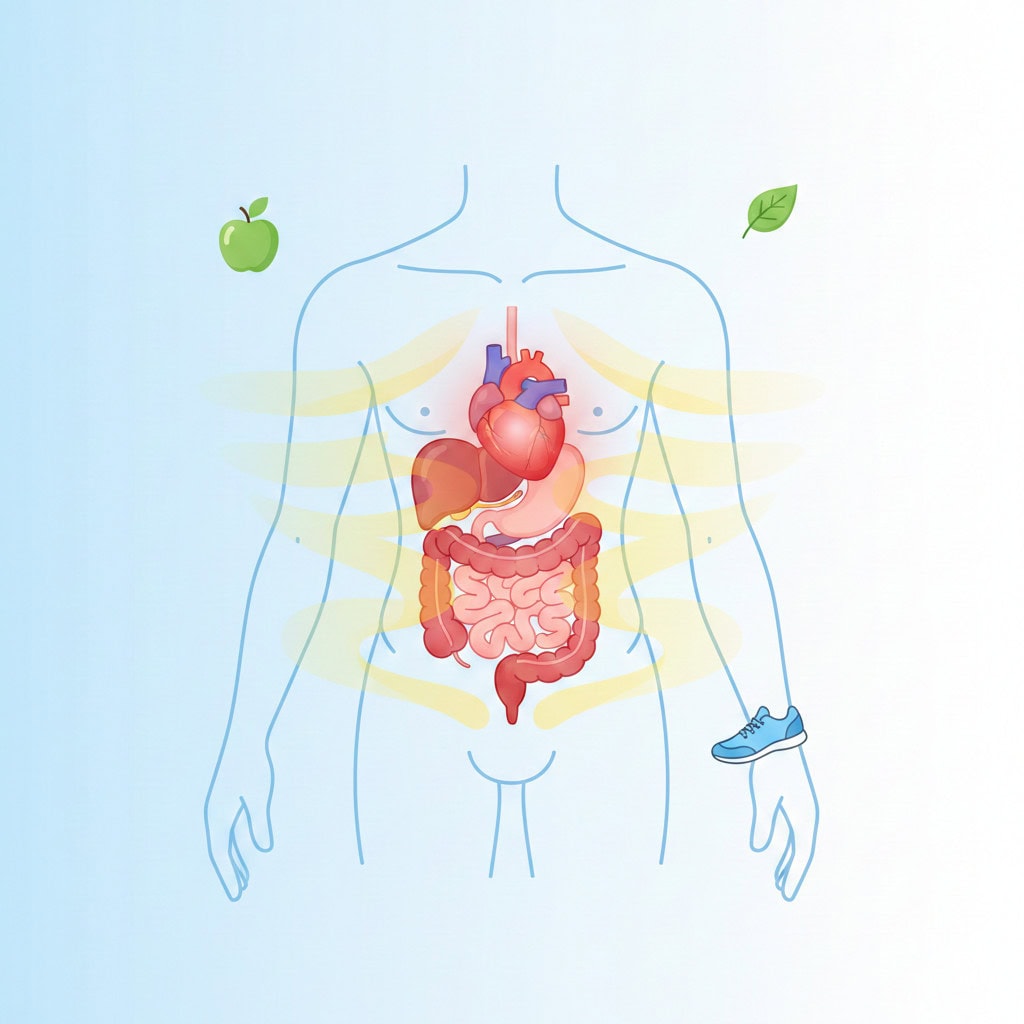
Visceral fat is more than just a cosmetic concern. It poses significant health risks that many overlook. This type of fat is stored deep within the abdominal cavity, surrounding vital organs. Unlike subcutaneous fat, which lies just beneath the skin, visceral fat is linked to serious health issues. Understanding visceral fat and its health risks is important. It helps explain what causes belly fat. This knowledge reveals why many individuals struggle with a larger belly.
Understanding the dangers of visceral fat is key to preserving overall health. High levels of this fat increase the risk of heart disease, type 2 diabetes, and certain cancers. Hormonal imbalances, stress, and poor sleep can contribute to its accumulation. Even those who appear skinny with belly fat can carry higher visceral fat levels.
A diet high in processed foods and sugars often leads to visceral fat gain. Regular physical activity, especially aerobic exercises, is effective in reducing it. Strength training also plays a role by boosting metabolism and aiding in fat loss. There is no single solution for burning tummy fat that can replace consistent habits. However, learning how to safely burn visceral fat can help you make steady progress.
At TRTMD Clinic, under the guidance of Dr. Ross VanAntwerp, we provide personalized medical care. Our focus is on addressing hormonal imbalances and supporting weight loss. Our integrative approach combines traditional and innovative therapies for comprehensive care. We support patients seeking GLP-1 weight loss in Maryland and Las Vegas. Reducing visceral fat can improve energy levels, mental clarity, and overall well-being. For men, guidance on reducing stomach fat is customized to meet individual needs. Take control of your health today with our expert guidance and support.
Key takeaways
- Visceral fat is deep abdominal fat surrounding vital organs.
- It fuels inflammation and raises risks for heart disease, type 2 diabetes, hypertension, and certain cancers.
- Causes include processed, high-sugar diets, inactivity, poor sleep, chronic stress, and hormonal imbalances.
- Assessment can be done via waist measurements or medical imaging.
- Sustainable reduction strategies focus on high-fiber, protein-rich whole foods as a diet for abdominal fat loss.
- Regular aerobic, strength, and HIIT exercises are recommended. These types of workouts are often the most effective for burning belly fat for most individuals.
- Stress management and adequate sleep are important for reduction.
- Focus on how to reduce body fat levels overall; spot reduction doesn’t work.
- TRTMD Clinic offers personalized care for hormone optimization, GLP-1 medications, and peptide therapies.
- These services aim to target visceral fat and improve energy, mental clarity, and overall well-being.
What Is Visceral Fat? The Hidden Danger Inside
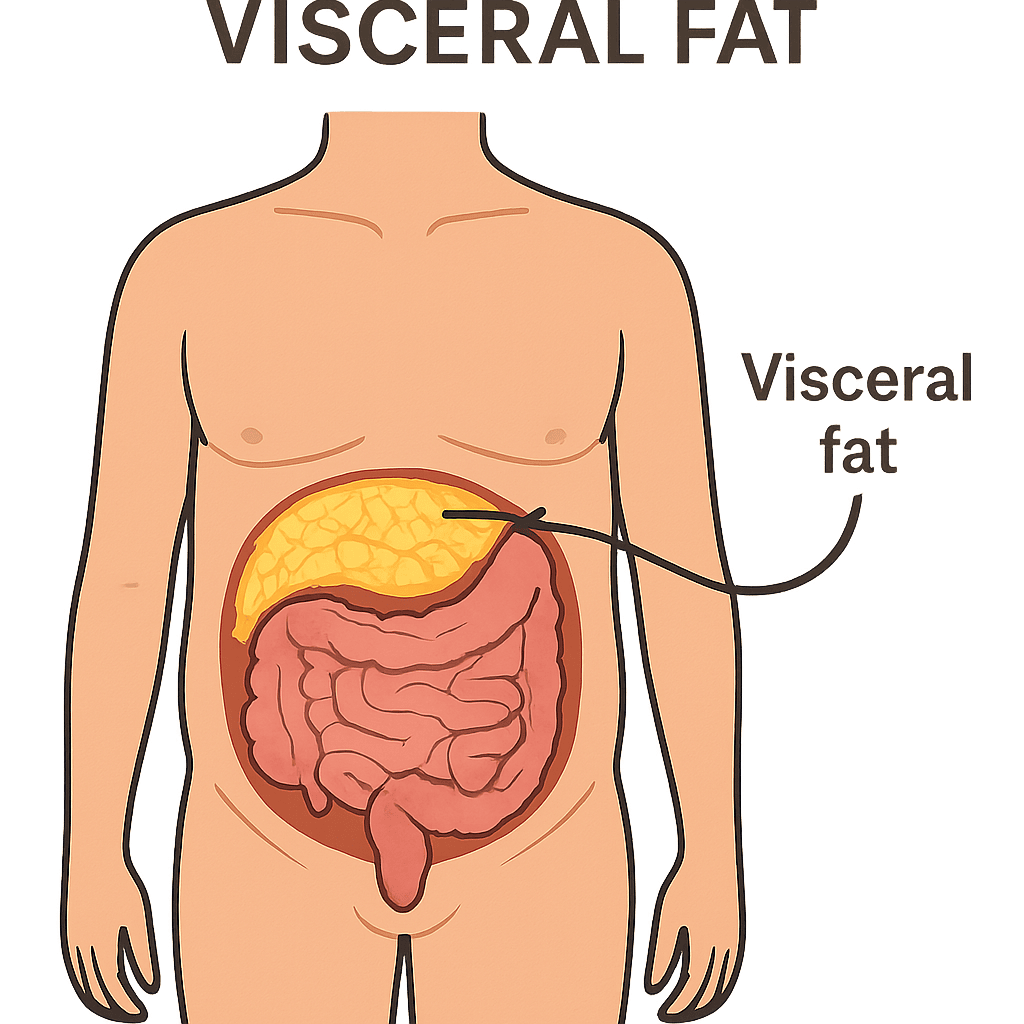
Visceral fat is a type of body fat that you cannot see. It wraps around internal organs such as the liver and intestines. Unlike the fat you pinch under your skin, known as subcutaneous fat, visceral fat lurks deeper in the abdomen.
This hidden fat is particularly dangerous. It produces hormones and chemicals that can inflame tissues. Over time, this inflammation can lead to severe health conditions. These include heart disease, high blood pressure, and insulin resistance. The truth about belly fat and how to lose it starts with understanding these mechanisms.
The presence of visceral fat is not just a cosmetic issue. It signifies a metabolic imbalance that needs addressing. Recognizing its impact is the first step in managing health risks. This perspective also clarifies what causes lower belly fat in many people. Here are some key points about visceral fat:
- Stored deep within the abdominal cavity.
- Surrounds vital organs.
- Contributes to chronic inflammation.
- Linked to serious health problems.
Addressing visceral fat requires a comprehensive approach. Lifestyle changes, such as diet and exercise, are crucial in reducing it. However, medical insights and personalized care can provide the targeted strategies necessary for effective management. Understanding its hidden dangers is vital for taking proactive health measures.
Visceral Fat vs. Subcutaneous Fat: Key Differences
Understanding the distinction between visceral and subcutaneous fat is crucial for effective weight management. Subcutaneous fat lies just beneath the skin and is generally less harmful. It provides insulation and energy storage.
In contrast, visceral fat is more insidious, nestled deep inside the abdomen. This type of fat is metabolically active and more dangerous. It interferes with vital organ functions and releases inflammatory substances.
Here are the key differences:
- Location: Subcutaneous is under the skin; visceral is deeper.
- Risk: Visceral fat is linked to higher health risks.
- Function: Subcutaneous stores energy; visceral impacts organ health.
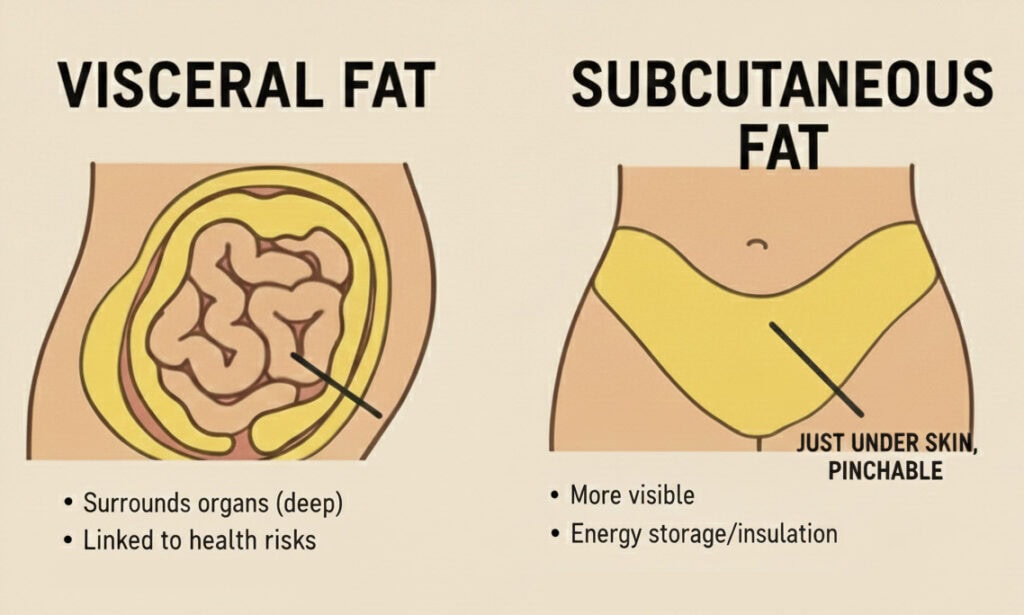
Managing both types of fat is essential, but prioritizing visceral fat reduction can significantly enhance overall health. While you cannot spot-reduce fat, advice on reducing subcutaneous and upper abdominal fat often involves similar strategies. These include balanced nutrition, adequate sleep, stress management, and consistent exercise, which are also effective for visceral fat.
What Causes Visceral Fat? Unpacking the Root Factors
The accumulation of visceral fat is often linked to various lifestyle and physiological factors. Understanding these causes can guide us toward effective solutions.
First, diet plays a pivotal role. Consuming foods high in sugars and unhealthy fats can increase visceral fat. This leads to greater caloric intake than the body needs.
Poor sleep habits also contribute significantly. Inadequate rest elevates cortisol levels, a hormone related to stress. Elevated cortisol promotes fat storage in the abdominal area.
Next, lack of physical activity accelerates visceral fat gain. Regular exercise helps burn calories, reducing the fat stored around vital organs. Yet, many people neglect this crucial aspect of health.
Hormonal imbalances are another contributor. For instance, changes in insulin sensitivity can increase the tendency to store visceral fat. This is common in metabolic disorders.
Stress cannot be overlooked. Chronic stress raises cortisol levels, which is directly linked to increased visceral fat. Effective stress management is essential.
These mechanisms also explain the causes of lower belly fat in people of various ages and lifestyles. To lose visceral belly fat quickly, focus on the root causes. Remember, achieving “fast” results still needs consistency and patience.
The main causes include:
- Unhealthy diet
- Insufficient sleep
- Inactivity
- Hormonal changes
- Chronic stress
By addressing these root causes, one can effectively reduce visceral fat and improve overall health. A proactive approach tailored to individual needs ensures the best outcomes.
Health Risks Linked to Visceral Fat
Visceral fat is more than a cosmetic concern; it’s a significant health risk. Its location deep within the abdominal cavity means it surrounds vital organs. This increases the risk of serious health issues.
One major concern is cardiovascular disease. Excess visceral fat is linked to higher blood pressure and cholesterol levels. This combination elevates the risk of heart attacks and strokes.
Visceral fat also plays a role in type 2 diabetes development. It can interfere with insulin, leading to insulin resistance. This hampers blood sugar control, posing significant health threats.
Moreover, visceral fat is associated with certain cancers. This includes breast and colorectal cancers, which are linked to obesity and fat distribution.
The inflammatory nature of visceral fat further exacerbates health problems. It releases inflammatory cytokines that can affect bodily processes and contribute to chronic illness. Belly fat obesity patterns tend to intensify these risks.
Key health risks linked to visceral fat:
- Heart disease
- Type 2 diabetes
- Inflammation-related disorders
- Certain types of cancer

Reducing visceral fat is crucial for preventing these serious conditions. By prioritizing weight loss and a healthy lifestyle, individuals can significantly improve their well-being. Addressing this fat is vital for long-term health success.
Why Is Belly Fat So Stubborn? The Truth About Losing It
Belly fat, particularly visceral fat, is notoriously difficult to shed. One reason is its unique biochemical activity. Visceral fat cells release more cortisol, which is linked to stress and fat storage.
Losing belly fat requires a comprehensive approach. Spot reduction, targeting fat loss in a specific area, is largely ineffective. Instead, overall body fat reduction is crucial for results.
Hormonal changes also play a role in stubborn belly fat. As people age, metabolic rates slow, and hormonal shifts occur. These changes favor fat storage, especially in the abdominal area. Many people wonder, “Why am I losing weight but not belly fat?” They also ask, “Is belly fat the last to go?” questions are common in weight loss. The time it takes to lose stomach fat depends on your overall health, consistency, and how your body responds.
Key strategies for losing stubborn belly fat include:
- Consistent aerobic and strength exercises
- Balanced, nutrient-dense diet
- Stress management through relaxation techniques
- Adequate, restful sleep every night
Understanding the underlying factors can empower individuals to effectively combat belly fat. Applying these strategies improves the odds of success. It’s important to stay persistent and patient on this journey to better health.
How to Detect and Measure Visceral Fat
Detecting visceral fat is not always straightforward. Unlike subcutaneous fat, it resides deep within the abdominal cavity. This characteristic makes it challenging to gauge with simple measurements.
However, certain methods can effectively assess visceral fat levels. Medical imaging techniques, such as CT and MRI scans, provide precise measurements. Though accurate, these scans can be costly and less accessible for regular monitoring.
For practical assessment, waist circumference is a useful indicator. A measuring tape positioned at the navel level can offer information about abdominal fat. Consistently high measurements may suggest elevated visceral fat.
Additional methods include:
- Waist-to-hip ratio analysis
- Body Mass Index (BMI) calculations
Regular monitoring helps identify changes over time. This empowers individuals to take action before health risks escalate.

Diet Strategies: Foods That Burn Belly Fat and Reduce Visceral Fat
A well-balanced diet plays a crucial role in reducing visceral fat. Certain foods boost metabolism and help in burning belly fat effectively.
Incorporating these into your meals can make a significant difference. High-fiber foods are excellent for reducing visceral fat. They promote a feeling of fullness, reducing overall calorie intake.
Protein-rich foods also aid in fat loss by increasing satiety and muscle mass. Lean meats, fish, and legumes should be staples in your diet. Additionally, healthy fats, such as those found in avocados and nuts, can support belly fat reduction.
Here’s a concise list of helpful foods:
- Leafy greens
- Whole grains
- Berries
- Olive oil
Avoiding processed foods is equally essential. These foods are often high in sugars and unhealthy fats, contributing to belly fat accumulation. Choosing foods that burn belly fat can complement your overall plan.
Consider the following dietary changes:
- Limit added sugars
- Minimize refined carbs
- Opt for whole food options
With these strategies, you can adopt a healthier eating pattern. This leads to sustainable fat loss over time.

Exercise to Lose Belly Fat: Best Workouts for Visceral Fat
Physical activity is vital for reducing visceral fat. Different exercises target belly fat effectively, promoting overall health and fitness.
Aerobic exercises, such as jogging and cycling, are excellent for burning calories and reducing visceral fat. Incorporate these activities into your routine for optimal results.
Strength training is also crucial. It builds muscle mass, increases metabolism, and aids in fat loss. Consistent weightlifting sessions can lead to significant health improvements.
Here are some effective cardio exercises:
- Running
- Swimming
- Brisk walking
- Jump rope
Strength workouts to consider include:
- Weightlifting
- Bodyweight exercises (e.g., push-ups, squats)
- Resistance band training
High-intensity interval training (HIIT) is another powerful method. It combines short bursts of intense exercise with rest periods, effectively burning visceral fat in less time. Blend steady-state cardio with visceral fat exercise like interval circuits for variety and adherence.
Remember to choose exercises you enjoy. This increases the likelihood of staying active consistently. Embrace a mix of workouts for the best results on your journey to a healthier you.

The Role of Hormones and Stress in Visceral Fat Accumulation
Hormones are pivotal in body weight management. When imbalanced, they can lead to visceral fat accumulation, especially in the abdominal region.
Cortisol, known as the stress hormone, often contributes to increased fat storage. Elevated stress levels can trigger cortisol release, leading to unhealthy weight gain.
Similarly, insulin resistance affects how your body processes glucose, promoting fat storage around vital organs. Managing insulin levels is crucial for reducing visceral fat.
Here’s how hormones and stress contribute to visceral fat:
- Cortisol release due to chronic stress
- Hormonal imbalances affecting appetite and metabolism
- Insulin resistance influences fat distribution.
To combat these issues, stress management techniques like meditation and yoga can be beneficial. Maintaining a balanced lifestyle helps regulate hormonal levels.
Consulting with medical professionals at TRTMD Clinic can provide personalized solutions. They offer expertise in hormone therapy to address and balance these concerns effectively.
Medical Solutions: GLP-1, Peptide Therapy, and Personalized Care at TRTMD Clinic
Visceral fat reduction isn’t achieved by dieting alone. Innovative medical solutions play a key role in managing stubborn belly fat. At TRTMD Clinic, personalized care is at the heart of successful weight management.
GLP-1 medications help regulate appetite and blood sugar. This leads to effective weight loss, targeting visceral fat specifically. These medications work by mimicking the body’s natural hormones, making weight loss safer.
Peptide therapy offers another promising approach. It helps boost metabolism and enhance muscle growth. By targeting fat loss and muscle gain, peptides can reshape your body composition.
The team at TRTMD Clinic provides comprehensive treatment plans. They cater to individual health needs and goals, ensuring effective results. We also welcome those seeking the TRTMD Clinic for GLP-1 weight loss in Maryland and Las Vegas. These tools can support how to get rid of visceral belly fat as part of a comprehensive plan.
Here’s what you can expect:
- Personalized weight loss programs
- Advanced hormone and peptide therapies
- Ongoing support and health monitoring
Harness the clinic’s expertise to transform your health. With access to these advanced treatments, you can confidently tackle visceral fat.
Recommended reading: Starting Semaglutide: What to Expect?
Real Results: Success Stories from TRTMD Clinic
At TRTMD Clinic, transformative stories abound. Many individuals have successfully conquered visceral fat challenges. Our personalized care approach resonates with clients.
One client improved energy and health through hormone therapy. They also experienced significant weight loss. Another client reduced visceral fat with GLP-1 treatments, regaining confidence.
Frequently Asked Questions About Visceral Fat
Visceral fat often raises many questions. Understanding it is key to effective management. Here are some common inquiries answered:
- What is visceral fat? It’s fat stored around your organs.
- Why is it dangerous? It’s linked to health risks like heart disease.
- Can I measure it at home? Body scans are more accurate than simple weight measurements.
- What causes a big belly? Genetics, diet quality, inactivity, stress, and sleep all contribute.
- How to burn visceral fat? Combine a calorie-controlled plan, resistance training, cardio, sleep, and stress management.
- Is belly fat the last to go? Often yes; abdominal fat can be stubborn and may decrease later in a weight-loss phase.
- Why am I losing weight but not belly fat? Plateaus, stress, sleep deficits, and inconsistent strength training can stall abdominal changes.
- How long does it take to lose stomach fat? Timelines vary from weeks to months depending on adherence, training, and starting point.
- How to lose visceral belly fat fast? Emphasize whole foods, consistent training, and sleep; “fast” results still require safe, sustainable changes.
- How to get rid of visceral belly fat? Prioritize a balanced diet, progressive strength work, and regular aerobic activity.
- Visceral fat how to lose? Focus on calorie control, protein, fiber, movement, and stress reduction; consult a clinician for personalized support.
- How to get rid of subcutaneous fat? The same lifestyle pillars apply; target overall fat loss rather than specific spots.
- How to get rid of upper abdominal fat? Build muscle, manage stress, and maintain a modest calorie deficit consistently.
- How to get rid of belly fat men / how to get rid of stomach fat for guys? Emphasize resistance training, protein intake, and sleep to support hormones and adherence.
- Can you get rid of visceral fat? Yes, substantial reductions are achievable with lifestyle changes and, when appropriate, medical therapy.
- Do tummy fat burner supplements work? They aren’t a substitute for diet, exercise, sleep, and stress management.
- What causes lower tummy fat? Hormones, stress, diet quality, and inactivity are typical drivers.
- Which foods that burn belly fat should I prioritize? High-fiber plants, lean proteins, and healthy fats support satiety and metabolic health.
- What’s the best exercise to burn belly fat? A mix of aerobic training, strength work, and intervals tends to be most effective.
- What’s a diet for abdominal fat loss? Whole-food eating patterns rich in protein and fiber with controlled calories.
Learning about visceral fat empowers you to take informed steps. Address these concerns early for better health outcomes. Reach out to professionals for personalized advice.
Take Control: Your Next Steps to a Healthier, Leaner You
Taking the first step towards reducing visceral fat can be empowering. Start by assessing your current lifestyle and health status. Small changes can create significant improvements over time.
Develop a personalized action plan. Focus on these core areas:
- Balanced nutrition with whole foods
- Regular aerobic and strength training exercises
- Stress management and quality sleep
Consider consulting with experts, like those at TRTMD Clinic. Their personalized approach can optimize your weight loss journey. Improved health and vitality are within reach. Embrace these steps to pave the way for a healthier future.
